
— TEPESCOHUITE
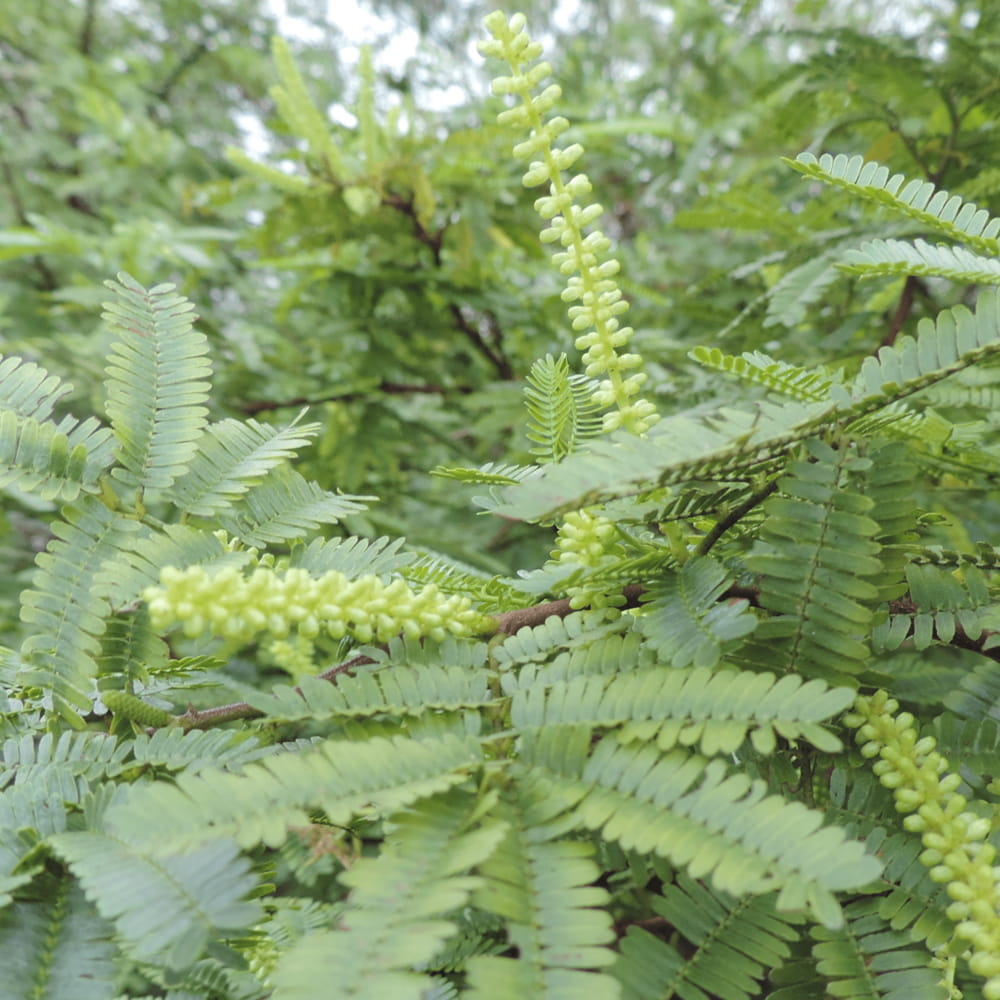
MIMOSA TENUIFLORA —
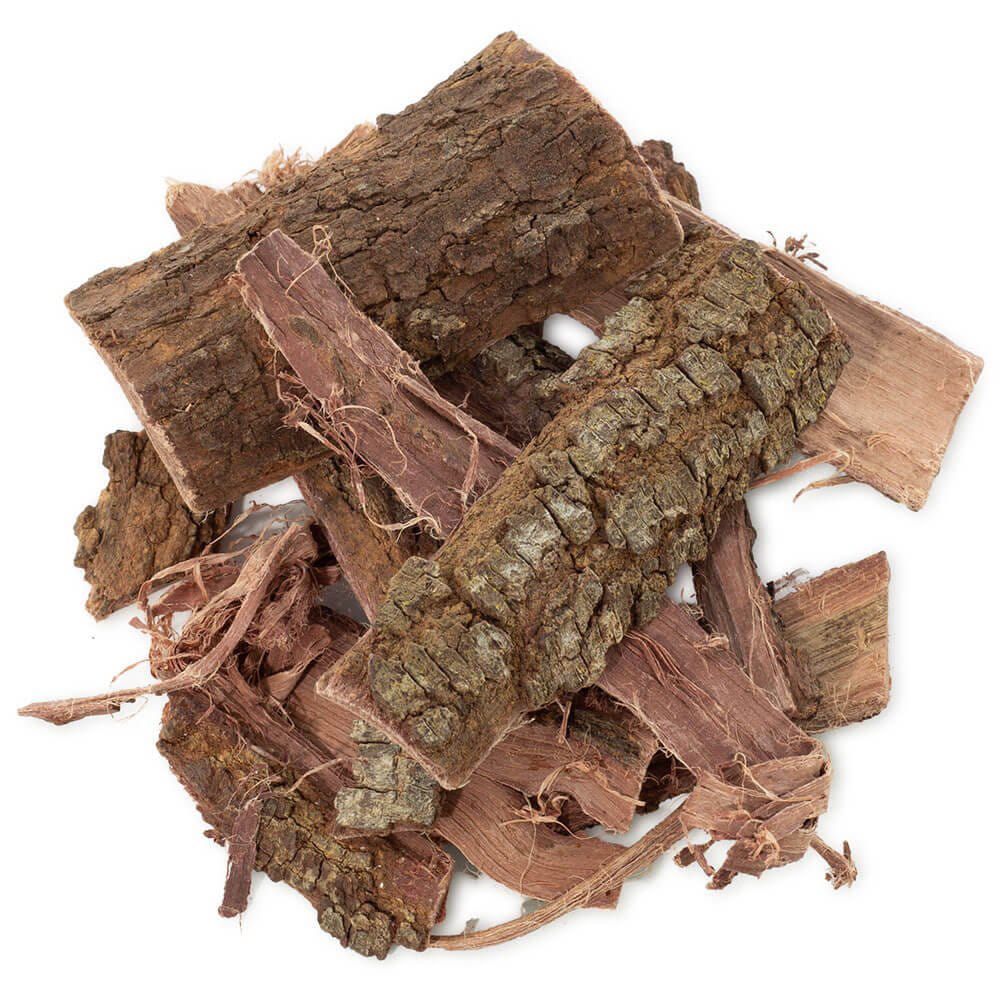
Tepescohuite is known as “the skin tree”. The toasted bark of tepescohuite was traditionally used to treat a variety of skin lesions, and in southeastern Mexico, it is still employed due to it’s efficacy as an aid in the treatment of burns and also due to its anti-inflammatory, antibacterial, anesthetic and regenerative properties for the skin.
(Gomez y Avila, 2011), (Camargo-Ricalde, Grether, Martinez-Bernal, 1994), (Adame y Adame, 2000), (Cruz, Andrade, Silva, de Souza, Yatsuda, Marques, David, David, Napimaga, Clemente-Napimaga, 2016)
Tepescohuite has been scientifically studied over the past 20 years and has been shown to have bactericidal effects against gram-positive bacteria, gram-negative bacteria and yeast.
(Rivera-Arce, 2007)
Animal studies and clinical studies with burn patients have shown reduced healing time using the Tepescohuite as this has a stimulating effect on the división of some skin cells.
(Rivera-Arce, 2007), (Gomez y Avila, 2011)
Studies with burn patients have shown that Tepescohuite has also demonstrated an anti-inflammatory and analgesic effect (reducing the pain and inflammation of the wound).
(Adame y Adame, 2000), (Rivera-Arce, 2007)

References:
Adame J, Adame H. Plantas Curativas del Noreste Mexicano, Monterrey, Mexico: Ediciones Castillo; 2000; p.231.
Camargo-Ricalde S., Grether R, Martinez-Bernal A. Uso medicinal del “tepescohuite” Mimosa tenuiflora (Leguminoseae) en Mexico. Contacto 1994; 5:29-34.
Cruz MP, Andrade CM, Silva KO, de Souza EP, Yatsuda R, Marques LM, David JP, David JM, Napimaga MH, Clemente-Napimaga JT. Antinoceptive and Anti-inflammatory Activities of the Ethanolic Extract, Fractions and Flavones Isolated from Mimosa tenuiflora (Willd.) Poir (Leguminossae). PLoS One. 2016;11(3): e0150839.doi: 10.1371/journal.pone.0150839.
Gomez, AJM y Avila, BAA, 2011- Los efectos curativos del tepezcohuite (Mimosa tenuiflora (Willd.) Poir) Universidad Autonoma de Morelos, Escuela de Enfermeria, medicina tradicional Tlahui- Medic no. 32, 11/2001.
Rivera-Arce A et al (2007), Pharmacognostical studies of the Mimosa tenuiflora cortex, J Ethnopharmacol 113:400-408.
— HERBAL MEDICINE
THERAPEUTIC PLANTS —
Knowledge of the therapeutic properties of plants is a real challenge for modern science: every day important clinical research is added, and numerous beneficial effects are discovered and/or confirmed, many of which were already known by ancient cultures.
The use of plants as a natural therapeutic resource dates back to ancient times. Nowadays science confirms the presence of these chemical compounds with pharmacological actions, called bioactive principles, which are often the primary ingredients used by pharmaceutical companies as a starting point to develop commercial forms that will be protected for their therapeutic use. But you can also use plant resources with medicinal properties for the preparation of plant extracts. These are referred to as herbal medicines and extracts. Herbal medicines have reached an important role in modern therapy and can be used for prevention or treatment of various diseases, based on what is known as evidence-based medicine.